Home › Masonry Restoration and Historic Preservation
We perform historic masonry restoration in Kansas City, MO for landmark brick and stone buildings. Our team matches historic materials, profiles, and mortar to retain original character while repairing damage. From facade stabilization to detailed stone repair, we help preserve important structures for future generations.
Superior Masonry Kansas City provides professional historic masonry restoration throughout Kansas City, MO, Missouri and the surrounding area. Our licensed, insured crew delivers safe, clean, on-time work with a free estimate before anything begins. Call (414) 409-0692 or request your free quote.
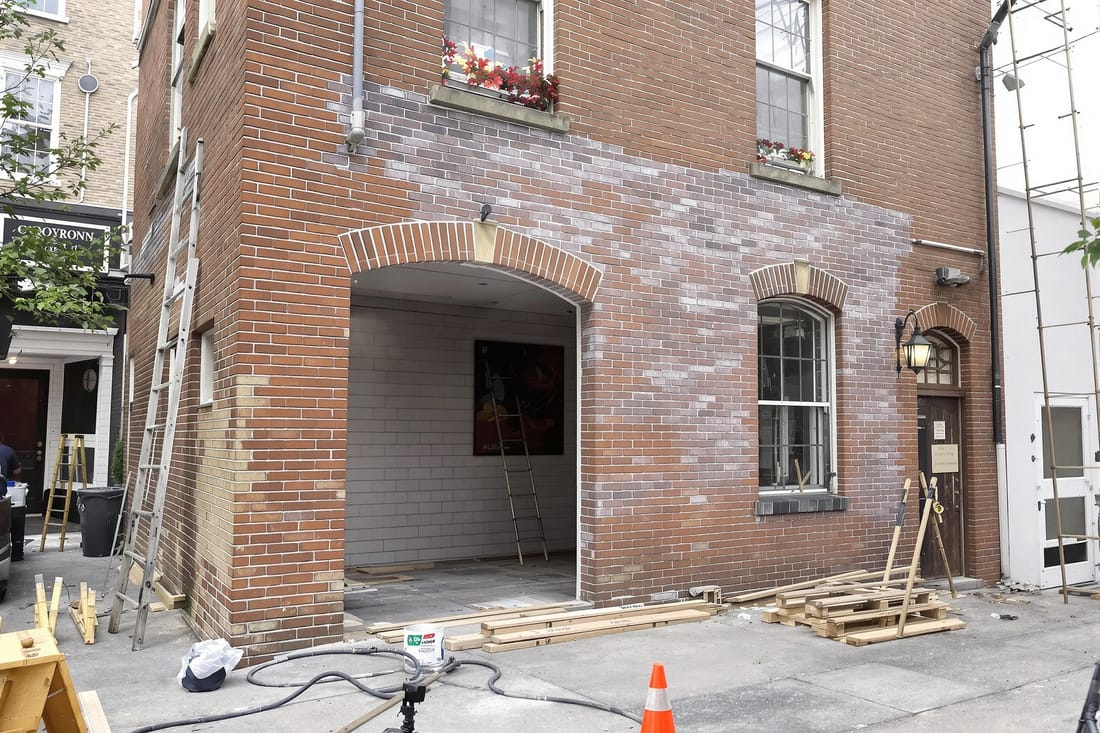
Masonry Restoration and Historic Preservation in Kansas City
Historic masonry restoration is not the same as general brick repair. Older buildings in Kansas City were built with different brick, different mortar, and different methods than modern construction. At Superior Masonry Kansas City, our job is to respect those original materials while making the structure safe and weather tight for years to come.
We start by looking at the age and style of your building. A downtown Kansas City commercial block from 1905 is very different from a 1920s Plaza apartment or an early stone church in the Northland. We document existing conditions with photos, measurements, and notes on brick size, stone type, and mortar color and texture. This initial survey shapes every decision that follows.
Historic masonry restoration usually includes careful cleaning, removal and replacement of failing mortar joints (repointing), brick or stone repair, and water management improvements. On some projects it may also involve rebuilding deteriorated chimneys or parapet walls, replacing damaged terracotta units, or reinforcing weakened structural masonry. Our focus is to do only what is needed, using compatible materials, so your building does not lose its character or its structural integrity.
How Superior Masonry Kansas City Evaluates Historic Masonry
The most important step in any historic preservation project is figuring out what is actually going wrong. For Kansas City properties, the usual culprits are freeze-thaw damage, hard Portland cement mortars used in past repairs, improperly sealed walls that trap moisture, and long term water infiltration from roofs or gutters. We do not guess; we investigate.
We begin with a close visual inspection from the ground, then from ladders, lifts, or roof access. We look for hairline cracking, spalled brick faces, soft or powdery mortar, white salt deposits (efflorescence), bowing walls, and moisture staining on interior plaster or drywall. We make note of where issues are occurring in relation to downspouts, window heads, and parapet caps since Kansas City’s heavy rain and snow melt often enter at those transitions.
On older brick, we test existing mortar gently with hand tools. If the mortar is harder than the brick, that is a signal of previous improper repointing. Hard mortar in a soft brick wall forces freeze-thaw stress into the brick instead of the joint, which is why faces pop off or entire units crack. We also check whether the building has been pressure washed or sandblasted in the past, since those methods can permanently damage the fired surface of historic brick.
For complex projects like civic buildings or large churches, we can work with architects, engineers, or preservation consultants, following historic guidelines such as the Secretary of the Interior’s Standards when required by tax credit or grant programs. Our evaluation report explains what we found in plain language and outlines a sequence of repairs, so owners can plan work in logical stages if needed.
Materials, Mortar Matching, and Period-Appropriate Repairs
Matching original materials is where true historic masonry restoration is won or lost. At Superior Masonry Kansas City, we pay close attention to the details that many people overlook: exact mortar composition, joint profile, and brick or stone sourcing.
Mortar matching begins with color and texture, but it also involves strength and flexibility. Older Kansas City brick buildings usually used lime-rich mortars that are softer and more forgiving than modern Portland cement mixes. If we repoint with too strong a mix, the masonry can crack and spall over time. We perform field tests, compare sand samples, and reproduce mortar recipes that match the original in compressive strength and vapor permeability, not just appearance.
We also match the joint style. Many historic walls have distinctive tooling, such as concave joints, weathered joints, or sometimes flush cut and brushed joints. We replicate that tooling, so repaired areas do not stand out visually or perform differently with water shedding. Where earlier improper joints exist, we may carefully remove and redo them to restore the correct profile.
For damaged brick or stone, we first try to conserve what is there. If a unit is structurally sound but has a damaged face, we may dutchman in a small patch of matching material or rotate the brick, depending on the location and visibility. When replacement is necessary, we source reclaimed brick and regionally appropriate stone whenever possible. Kansas City has a mix of local limestone, regional sandstones, and midwestern pressed brick, and using the wrong type is very noticeable once installed.
Cleaning is done with the mildest method that will work. In many cases that means low-pressure water and masonry-safe detergents applied in stages. We avoid harsh acids and never sandblast historic brick. The goal is to remove soiling and biological growth without stripping away the protective fired surface or patina that gives older buildings their character.
Process, Project Timeline, and Cost Factors
Every building and scope is different, but the masonry restoration process usually follows a clear sequence. After inspection and planning, we set up access using scaffolding, swing stages, or lifts, depending on building height and site constraints. Safety and containment matter, especially on busy Kansas City streets or tight residential lots, so we plan pedestrian protection, debris control, and site logistics in advance.
We typically start at the top of the building and work down. This allows us to address parapet walls, chimneys, and coping stones first, which are common water entry points. Old sealants and incompatible cements are removed by hand tools or small grinders with dust control. Deteriorated mortar joints are raked out to the proper depth and cleaned, then repointed in lifts so the new mortar cures correctly. Brick or stone replacement is done strategically to avoid creating visible patches or weak zones.
Cost is driven by access difficulty, the percentage of joints needing repointing, the amount of unit replacement, and whether special materials like custom terracotta or carved stone are involved. Local factors also matter. For example, masonry on the west and south elevations of Kansas City buildings often shows more weathering from sun and wind, so those sides may need heavier work. If previous repairs used very hard mortars or coatings, more labor is required to remove them without harming the original masonry.
We walk owners through options. In some cases, full building repointing is the best long term value. In others, targeted repairs at parapets, window heads, and corners will solve the main water problems and allow phased work over several years. Our estimates spell out line items such as joint square footage, brick replacement counts, access equipment, and any specialty testing or engineering, so you can see where the money is going.
Kansas City’s weather also affects scheduling. Most mortar work should not be done in freezing temperatures or extreme heat without special measures. We plan restoration projects to avoid those windows when possible, or we use cold weather protection and adjusted mixes when necessary, and we explain that plan up front.
What Kansas City Owners Should Ask Before Hiring a Mason
Historic masonry restoration is a specialized trade, and not every mason is set up for it. Before you hire anyone in Kansas City, there are a few questions worth asking. Superior Masonry Kansas City encourages owners to use these questions with us and with any other contractor you interview.
Ask whether the company has specific experience with buildings from your era and material type. A contractor who mainly builds new block walls may not understand the needs of a 1910 solid brick facade in Midtown. Request examples of completed local projects you can walk by and see for yourself. Historic work should blend in, not jump out.
Ask about mortar matching and joint tooling. A qualified preservation mason will be able to describe their process for field sampling, test panels, and approval of color and profile before full production. They should also be willing to remove and redo any trial area that does not meet expectations. If you hear suggestions of high pressure washing or sandblasting historic brick, consider that a red flag.
Confirm how they will protect adjacent features. That includes original wood windows, terra cotta ornament, slate roofs, and interior finishes. Proper restoration involves careful masking, controlled water use, and cleanup each day. In dense parts of Kansas City, it also means managing sidewalks, neighbors, and parking while work is underway.
Finally, ask about warranty and maintenance. On a well executed historic masonry project, repointing should last several decades when combined with good roof and gutter upkeep. We explain what maintenance to expect, how to spot new problems early, and what kind of follow-up inspections make sense for your building. Superior Masonry Kansas City is based here, works here year round, and can return to check on previous work as your building ages, which is a key advantage over out-of-town crews that move from city to city.